
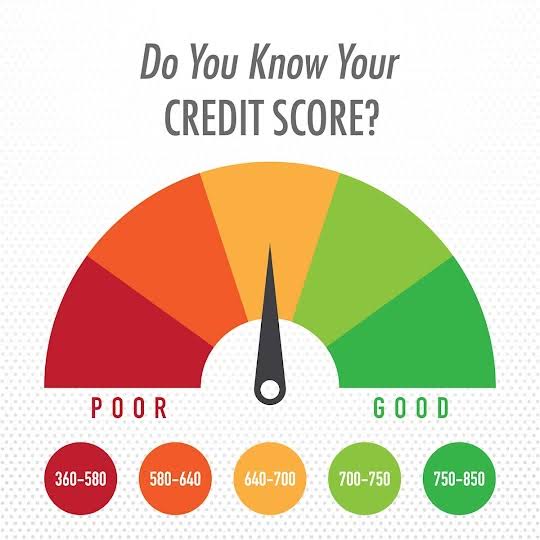
Building a stellar credit score is one of the most powerful financial moves you can make. A high credit score opens the door to lower interest rates on mortgages, better terms on auto loans, and premium rewards credit cards.
However, the path to better credit is filled with counterintuitive rules. Many well-meaning individuals try to take control of their finances, only to make subtle errors that send their credit scores dropping.
If you are working hard to build or repair your credit, make sure you avoid these five critical credit-boosting mistakes.
1. Closing Old or Unused Credit Cards
When you pay off a credit card balance, your first impulse might be to close the account to celebrate or to prevent future overspending. While this feels like a responsible financial cleanup, it can severely hurt your credit score in two distinct ways:
- It Shortens Your Credit History: The length of your credit history accounts for 15% of your FICO score. Closing your oldest card eliminates an active account with a long, positive track record.
- It Spikes Your Credit Utilization: Credit utilization—the percentage of your total available credit that you are using—makes up 30% of your score. Closing a card reduces your overall credit limit, instantly making any remaining balance look much larger relative to your total limit.
Better Strategy: Keep your oldest credit cards open, especially if they have no annual fee. Place a small recurring charge on them (like a monthly streaming subscription) and set up automatic full payments to keep the account active without risking debt.
2. Paying Off Balances Without Checking Statement Dates
Paying off your balance every month is fantastic practice, but when you pay can significantly impact what the credit bureaus see.
Credit card issuers typically report your account status to credit bureaus once a month on your statement closing date not your payment due date. If you carry a high balance throughout the month and pay it off right on the due date, the high balance may have already been reported to Equifax, Experian, and TransUnion.
Even if you pay in full every month, a high reported balance signals high credit utilization, which lowers your score temporarily.
Better Strategy: Make micropayments throughout the month or pay off your balance a few days before your monthly statement closing date. This ensures a low balance is reported to the credit bureaus.
3. Applying for Multiple Credit Accounts at Once
When people decide to fix their credit, they often apply for several new store cards, personal loans, or rewards cards at the same time to raise their total available credit limit.
This approach almost always backfires. Every time you submit a formal application for credit, the lender performs a hard inquiry (or “hard pull”) on your credit report. Each hard inquiry typically knocks a few points off your score, and multiple inquiries in a short window signal to lenders that you may be in financial distress.
Better Strategy: Space out credit applications by at least six months. If you need to shop around for a mortgage or auto loan, do all your rate shopping within a focused 14-to-30-day window so credit scoring models treat the inquiries as a single event.
4. Completely Avoiding Credit Cards
A common piece of advice in consumer finance is to eliminate credit cards entirely and live strictly on cash or debit. While avoiding debt is an admirable goal, avoiding credit instruments completely leaves you with a “thin” credit file.
To generate a credit score, scoring algorithms need consistent, recent data. A debit card transaction does not report to credit bureaus because you are using your own funds rather than borrowed capital. Without an active history of managing credit responsibly, lenders cannot evaluate your risk level.
Better Strategy: Treat a credit card exactly like a debit card. Use it only for budgeted expenses, never charge more than you can pay off immediately, and pay the balance down to zero every billing cycle.
5. Ignoring Errors on Your Credit Reports
Assuming that the information on your credit reports is 100% accurate is a massive mistake. According to studies by consumer watchdog groups, a significant percentage of credit reports contain errors ranging from misreported late payments to accounts belonging to someone else with a similar name.
If an incorrect negative mark sits on your report uncorrected, no amount of good financial habits will completely counteract its drag on your score.
Better Strategy: Check your credit reports regularly through official platforms like AnnualCreditReport.com. Review every line item carefully. If you spot an inaccuracy, file a formal dispute with the relevant credit bureau (Experian, Equifax, or TransUnion) immediately to have it removed.
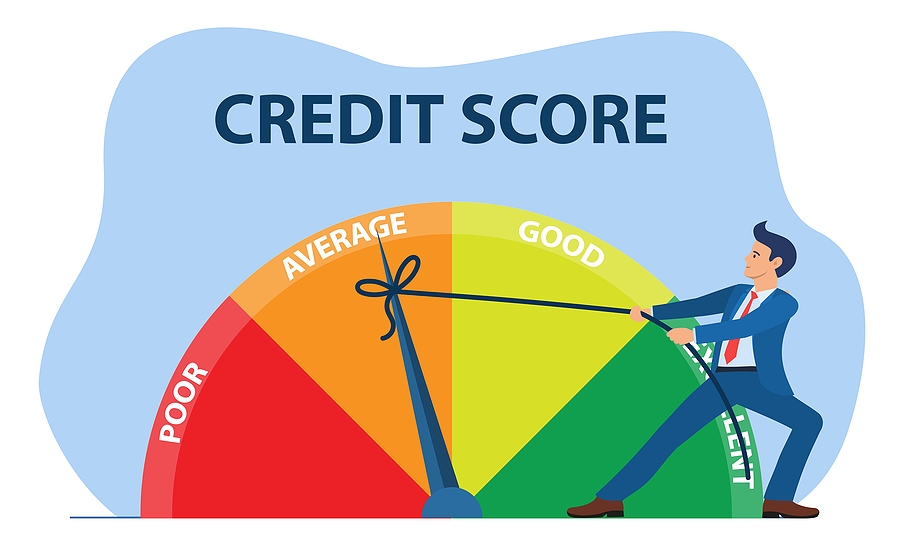
Boosting your credit score isn’t about quick fixes or drastic moves, it is a game of consistency, patience, and understanding the rules of credit reporting. By keeping your old accounts open, keeping utilization low, and monitoring your reports for errors, you will build a resilient credit profile that serves your financial goals for years to come.