
Imagine a world where your king is also a living god. That was Ancient Egypt. For almost 3,000 years, this civilization was the superpower of its time.
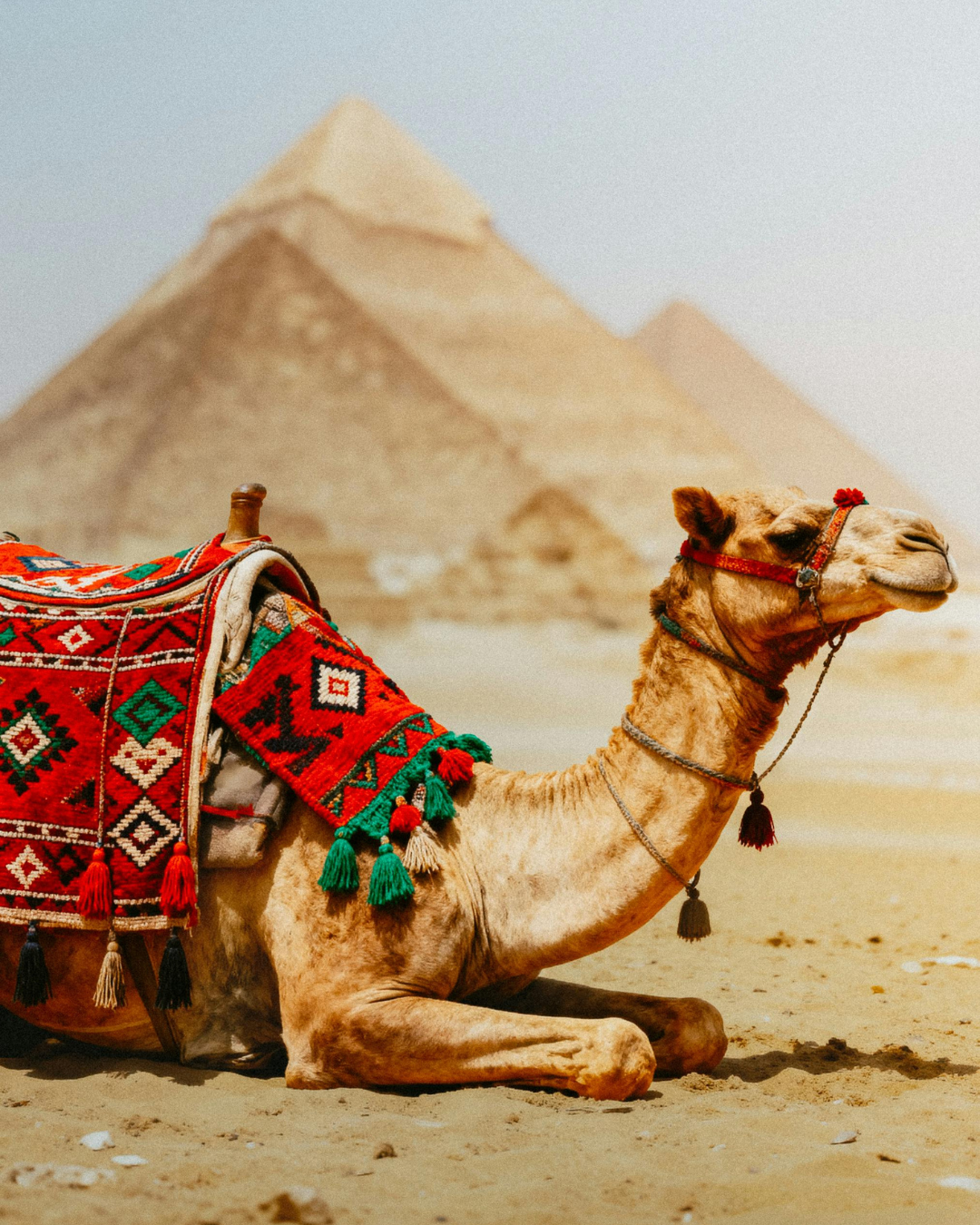
It all started with the Nile River. Every year, the river would flood, leaving behind rich, dark soil. This made farming incredibly easy. People stopped wandering and settled down. They created two kingdoms—Upper and Lower Egypt—until a king named Narmer united them. That was the start of something huge. Think of it like the first successful startup that grew into a monopoly.
It all started with the Nile River. Every year, the river would flood, leaving behind rich, dark soil. This made farming incredibly easy. People stopped wandering and settled down. They created two kingdoms—Upper and Lower Egypt—until a king named Narmer united them. That was the start of something huge. Think of it like the first successful startup that grew into a monopoly.
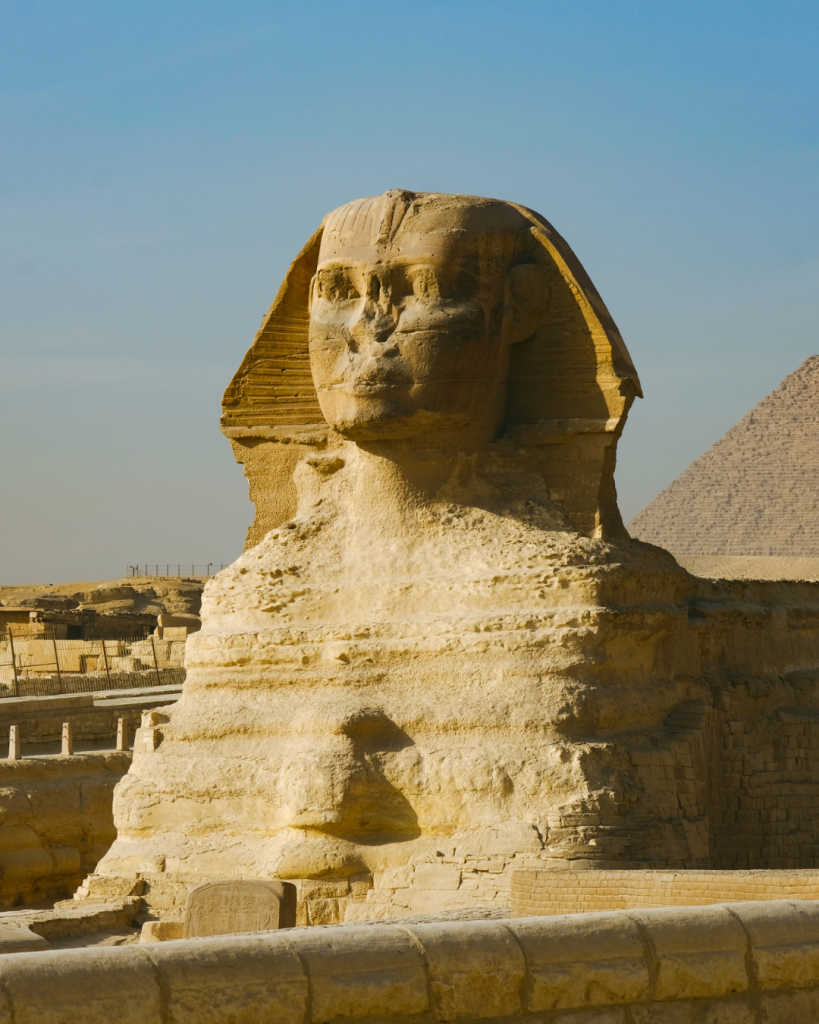
For centuries, Egypt was stable, wealthy, and powerful. They built the pyramids, not with slaves (as we once thought), but with skilled workers who were paid in beer and bread. They had a golden age called the New Kingdom where pharaohs like Ramses II built massive temples and signed the first known peace treaty. It was a time of art, science, and incredible confidence.
But nothing lasts forever. The empire got too big. The pharaohs grew weak. The priests in Thebes became more powerful than the king. It’s like a company that expands too fast and loses control of its branches. They were also attacked by outsiders: first the Persians, then the Greeks, and finally the Romans. By the time Cleopatra died in 30 BC, Egypt was no longer a kingdom. It was a province of Rome.