Many people work hard for their money but still wonder where it all goes at the end of the month. The truth is that money is often lost through small, unnecessary expenses that add up over time.
Learning how to stop wasting money doesn’t mean living a boring or restrictive life. It means spending intentionally, avoiding unnecessary purchases, and making smarter financial decisions.
Whether you’re trying to save for a house, pay off debt, start a business, or simply gain control of your finances, the strategies in this guide can help you keep more of your hard-earned money.
Why Do People Waste Money?
Money is often wasted because of:
- Impulse purchases
- Poor budgeting
- Emotional spending
- Subscription overload
- Lack of financial goals
- Convenience spending
- Failure to compare prices
Understanding your spending habits is the first step toward changing them.
1. Track Every Expense
You cannot improve what you don’t measure.
For one month, write down every expense, no matter how small.
Track:
- Food
- Transportation
- Entertainment
- Shopping
- Bills
- Subscriptions
Many people are surprised to discover where their money is actually going.
2. Create a Monthly Budget
A budget gives every dollar a purpose.
Your budget should include:
- Essentials
- Savings
- Investments
- Debt payments
- Personal spending
A simple budget helps prevent unnecessary purchases.
3. Stop Impulse Buying
Impulse purchases are one of the biggest money wasters.
Before buying something, ask yourself:
- Do I really need it?
- Will I use it regularly?
- Can I wait a few days before deciding?
The more time you give yourself, the less likely you are to buy unnecessarily.
4. Use the 24-Hour Rule
For non-essential purchases, wait at least 24 hours before buying.
For expensive items, consider waiting a week or even a month.
Often, the urge to buy fades quickly.
5. Set Financial Goals
Saving becomes easier when you have a clear purpose.
Examples include:
- Emergency fund
- New car
- Education
- Home purchase
- Business startup
- Retirement
Goals provide motivation to spend wisely.
6. Avoid Shopping When Emotional
Many people spend money when they are:
- Stressed
- Bored
- Sad
- Angry
- Lonely
Emotional spending can create long-term financial problems.
Find healthier ways to cope with emotions.
7. Cancel Unused Subscriptions
Subscription services can quietly drain your finances.
Review:
- Streaming services
- Apps
- Memberships
- Software subscriptions
- Gym memberships
Cancel anything you no longer use regularly.
8. Cook More Meals at Home
Eating out frequently can consume a large portion of your income.
Preparing meals at home often costs significantly less.
Additional benefits include:
- Better nutrition
- Healthier portions
- More control over ingredients
9. Make a Shopping List
Never shop without a plan.
A shopping list:
- Reduces impulse purchases
- Saves time
- Helps control spending
Stick to your list whenever possible.
10. Compare Prices Before Buying
A few minutes of research can save substantial amounts of money.
Compare:
- Online retailers
- Local stores
- Discounts
- Promotions
Never assume the first price is the best price.
11. Avoid Lifestyle Inflation
As income increases, many people automatically increase spending.
Instead of spending every raise or bonus:
- Increase savings
- Pay off debt
- Invest for the future
Building wealth often depends on controlling lifestyle inflation.
12. Use Cash for Problem Spending Areas
If you overspend on certain categories, consider using cash.
Examples:
- Entertainment
- Dining out
- Shopping
Physical cash can make spending feel more intentional.
13. Buy Quality Instead of Cheap Items
The cheapest option isn’t always the most affordable.
Quality products often:
- Last longer
- Perform better
- Require fewer replacements
Focus on value rather than price alone.
14. Reduce Energy Waste
Small changes can lower utility bills.
Examples:
- Turn off unused lights
- Unplug electronics
- Use energy-efficient appliances
- Reduce water waste
Savings accumulate over time.
15. Avoid Debt for Non-Essentials
Using credit for unnecessary purchases can be expensive.
Interest charges increase the true cost of what you buy.
Whenever possible:
- Save first
- Buy later
16. Plan Major Purchases
Large purchases deserve careful consideration.
Research:
- Features
- Reviews
- Alternatives
- Long-term costs
Planning reduces costly mistakes.
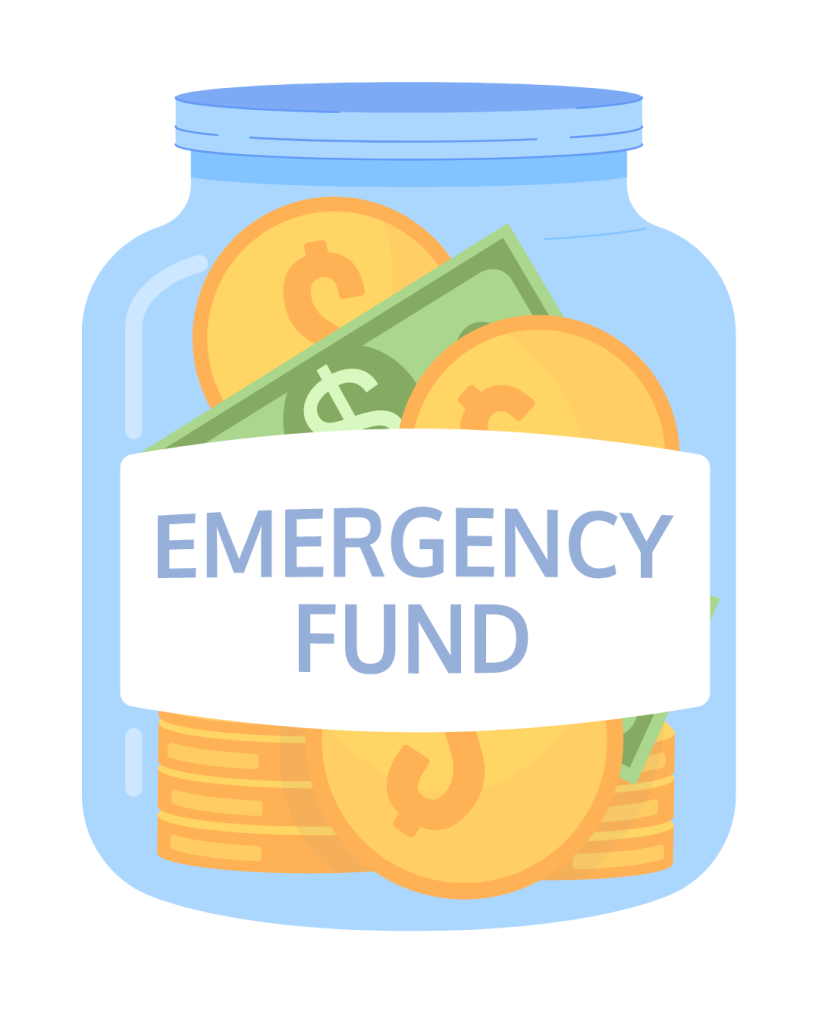
17. Build an Emergency Fund
Unexpected expenses often lead to debt.
An emergency fund provides protection for:
- Medical expenses
- Car repairs
- Job loss
- Home repairs
Financial security reduces panic spending.
18. Shop Less Frequently
The more often you browse stores or shopping apps, the more likely you are to buy.
Reduce exposure to purchasing opportunities.
Remember:
Not every sale is a savings opportunity.
19. Unsubscribe from Marketing Emails
Retailers spend billions encouraging consumers to spend.
Reducing exposure to:
- Sales alerts
- Promotional emails
- Shopping notifications
can significantly decrease impulse purchases.
20. Review Your Spending Monthly
Regular reviews help identify wasteful patterns.
Ask yourself:
- What purchases were worthwhile?
- What purchases were unnecessary?
- Where can I improve next month?
Small adjustments create significant long-term savings.
21. Focus on Long-Term Wealth
Before spending money, consider its future value.
For example:
A small daily expense may seem insignificant, but over years it can amount to thousands.
Thinking long-term encourages smarter financial choices.
Signs You May Be Wasting Money
Common warning signs include:
- Living paycheck to paycheck
- Frequent impulse purchases
- Growing credit card balances
- Little or no savings
- Buying items you rarely use
- Constant financial stress
Recognizing these signs is the first step toward improvement.
Frequently Asked Questions
What is the biggest cause of wasted money?
Impulse spending is one of the most common reasons people struggle financially.
How can I save money quickly?
Track expenses, create a budget, reduce dining out, cancel unused subscriptions, and avoid unnecessary purchases.
Should I stop spending completely?
No. The goal is not to stop spending but to spend intentionally and wisely.
How much should I save each month?
A common recommendation is at least 20% of income, though any consistent amount is beneficial.
Final Thoughts
Learning how to stop wasting money is one of the most valuable financial skills you can develop. Small daily decisions often have a greater impact on your finances than major purchases.
By tracking expenses, creating a budget, avoiding impulse buying, and focusing on long-term goals, you can take control of your money and build a more secure financial future.
Every naira, dollar, pound, or euro saved today can help create greater opportunities tomorrow.
- Consumer Financial Protection Bureau
- Investopedia Personal Finance Resources
- Federal Trade Commission Consumer Advice
- MoneyHelper Financial Guidance