Budgeting often gets a bad reputation. For many people, the word brings up images of restrictive spreadsheets, strict self-denial, and feeling guilty over every single cup of coffee or weekend meal out.
However, managing your money does not require tracking every single penny down to the cent. If you want a clean, sustainable framework that provides financial clarity without causing burnout, the 50/30/20 rule is one of the most effective budgeting systems available.
Here is how the 50/30/20 budgeting method works, how to calculate your numbers, and how to adapt it to fit your personal financial goals.
What is the 50/30/20 Rule?
Popularized by Senator Elizabeth Warren in her book All Your Worth: The Ultimate Lifetime Money Plan, the 50/30/20 rule is a proportional budgeting framework.
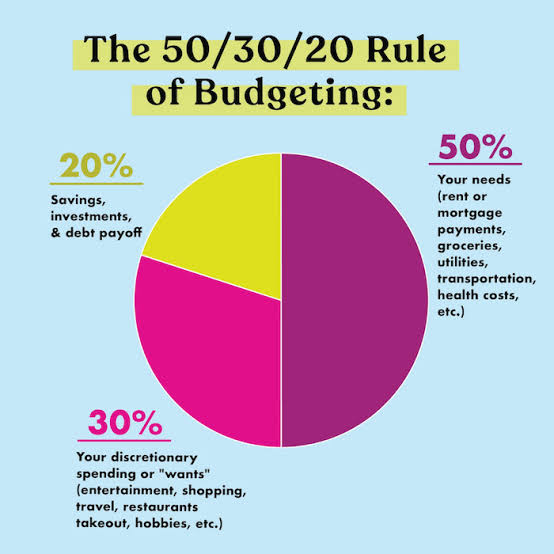
Instead of breaking your spending down into dozens of hyper-specific categories (like groceries, gas, entertainment, and clothes), you divide your after-tax income into three broad buckets:
- 50% Needs: Essential obligations you must pay to live and work.
- 30% Wants: Lifestyle choices and discretionary spending.
- 20% Savings & Debt Repayment: Building your financial future and clearing debt.
Step 1: Calculate Your After-Tax Income
Before dividing your money, you must determine your starting figure: your take-home pay (net income).
If you are a salaried employee, this is the amount deposited into your bank account after federal, state, and payroll taxes are withheld. If you have pre-tax deductions—such as health insurance premiums or automatic 401(k) contributions—add those amounts back into your net pay to get an accurate representation of your true after-tax baseline.
If you are self-employed or freelance, subtract your business expenses and tax obligations from your total income to find your net monthly take-home pay.
Step 2: Break Down the Three Categories
1. 50% of Income: Essential Needs
“Needs” are expenses you cannot avoid without experiencing severe consequences. If you were to lose your income tomorrow, these are the non-negotiable costs required to keep a roof over your head and maintain basic health and safety.
What counts as a Need:
- Rent or mortgage payments
- Utilities (electric, water, gas, internet)
- Basic groceries (excluding dining out)
- Transportation (car payment, gas, public transit to work)
- Minimum required payments on debts
- Insurance premiums (auto, health, home/renters)
Rule of Thumb: If it is optional or upgradeable (e.g., premium cable channels or eating at a restaurant), it does not belong in the 50% bucket.
2. 30% of Income: Lifestyle Wants
“Wants” cover everything you buy that is optional. These are spending choices that enhance your quality of life, provide entertainment, or represent upgrades over basic necessities.
What counts as a Want:
- Dining out, takeout, and specialty coffee
- Vacations and travel
- Subscriptions (Netflix, Spotify, gym memberships)
- New clothes beyond basic necessities
- Tickets to sports events, concerts, or movies
The beauty of the 50/30/20 budget is that this 30% bucket is guilt-free. As long as your needs and savings targets are met, you can spend this allocation on whatever brings you joy without feeling bad about it.
3. 20% of Income: Savings and Debt Repayment
The final 20% of your net income is dedicated entirely to strengthening your financial standing. This category builds your safety net and funds long-term wealth accumulation.
What counts as Savings & Debt Repayment:
- Building an emergency fund (in a High-Yield Savings Account)
- Contributions to IRAs (Roth or Traditional) or taxable brokerage accounts
- Extra principal payments on high-interest debt (beyond required minimums)
- Saving for major future goals (down payment on a home, wedding, or car purchase)
Suppose your monthly after-tax take-home pay is $4,000. Using the 50/30/20 framework, your target breakdown looks like this:
| Category | Percentage | Monthly Target | Examples |
| Needs | 50% | $2,000 | Rent ($1,300), Utilities ($200), Groceries ($350), Transit ($150) |
| Wants | 30% | $1,200 | Dining ($400), Subscriptions ($50), Hobbies/Travel ($750) |
| Savings & Debt | 20% | $800 | Emergency Fund ($400), Roth IRA ($300), Extra Debt Paydown ($100) |
How to Adjust If Your Numbers Don’t Balance
In high-cost-of-living areas, your “Needs” category might naturally take up 60% or 65% of your income due to soaring housing or transport costs.
If your needs exceed 50%, do not abandon the framework. Instead, temporarily adjust your ratios:
- Reduce the “Wants” bucket: If needs consume 60% of your income, trim your wants down to 20% to preserve your 20% savings target.
- Prioritize high-interest debt: If you hold credit card balances charging 20%+ interest, treat extra debt paydown under your 20% allocation as a guaranteed return on investment.
- Automate your savings: Set up automatic transfers from your checking account to your savings or investment accounts on payday so the 20% is saved before you have the chance to spend it.
The 50/30/20 rule works because it balances financial responsibility with real-life flexibility. By keeping your fixed needs around half your income and dedicating a fifth to your future, you build long-term financial security while still having room to enjoy your earnings today.