If traditional budgeting methods leave you asking where your money went at the end of every month, you are not alone. Many standard budgets rely on passive tracking you spend throughout the month and check the damage later.
Zero-Based Budgeting (ZBB) flips this approach entirely. Instead of tracking spending retroactively, zero-based budgeting forces you to assign every single dollar of your income to a specific expense, savings goal, or debt payment before the month begins.
Here is a step-by-step guide to how zero-based budgeting works, why it is effective, and how to implement it.
What is Zero-Based Budgeting?
Zero-based budgeting is a framework where your total monthly income minus your total monthly allocations equals zero:
Ending with zero does not mean having $0 in your bank account. It means that 100% of the money you take in is intentionally accounted for. If you earn $4,000 this month, every dollar of that $4,000 must be assigned a specific job whether that job is paying rent, buying groceries, funding an emergency savings account, or paying for entertainment.
How to Build a Zero-Based Budget in 5 Steps
1: List Your Total Net Income
Calculate your total expected income for the upcoming month. Include your regular paycheck (after taxes), side hustle earnings, freelance work, child support, or any other income source.
2: List Your Fixed Expenses
Write down all non-negotiable, fixed monthly expenses. These include:
- Rent or mortgage payments
- Utility bills (electric, gas, water, internet)
- Car payments and insurance premiums
- Student loan or credit card minimum payments
3: Estimate Variable Expenses
Estimate spending for essential daily categories that fluctuate month to month. Look at bank statements from the past 2–3 months to set accurate baselines for:
- Groceries and household supplies
- Transportation and fuel
- Healthcare costs and prescription medications
4: Allocate Remaining Funds to Savings and Goals
Subtract your fixed and variable expenses from your starting net income. The money remaining is what you allocate toward your future financial security and lifestyle:
- Emergency fund contributions
- Investment accounts (IRA, 401(k), brokerage)
- Sinking funds (saving for upcoming holidays, home repairs, or vacations)
- Discretionary spending (dining out, hobbies, subscriptions)
5: Adjust Until You Hit Zero
If your calculation leaves you with $300 left over, assign that $300 to a debt payment or savings target. If your initial list leaves you -$200 in the red, cut back on variable categories (like dining out or entertainment) until your total reaches exactly $0.
Advantages and Challenges of Zero-Based Budgeting
Benefits
- Clear Financial Boundaries: You know exactly how much you can spend on fun without guilt.
- Maximizes Wealth Building: Ensures excess cash is invested rather than sitting idle.
- Prevents Mindless Leakage: Eliminates unaccounted subscription renewals and impulse purchases.
Potential Challenges
- Time-Intensive: Requires active management at the beginning of each month.
- Variable Income Friction: Freelancers must use an average earnings baseline or buffer fund.
- Zero Margin for Error: Unplanned expenses require immediate reallocation from another category.
Zero-Based Budgeting vs. 50/30/20 Rule
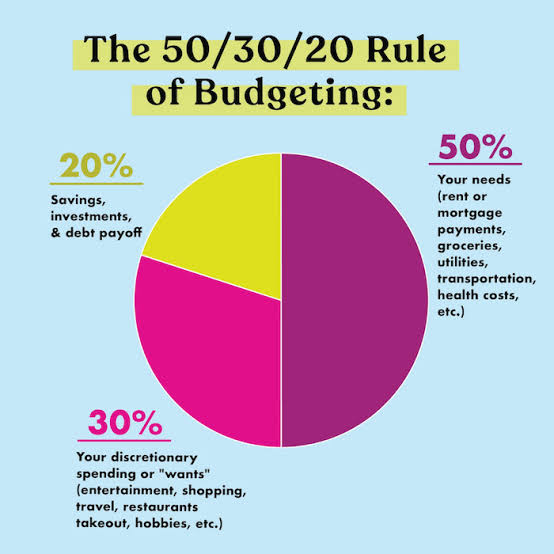
- The 50/30/20 Rule is a macro-budgeting framework that splits income into three general percentage buckets (50% Needs, 30% Wants, 20% Savings). It requires less upkeep and offers flexibility.
- Zero-Based Budgeting is a micro-budgeting system that tracks every individual dollar. It is ideal for individuals paying off debt rapidly or working with tight margins.

Zero-based budgeting places you in complete command of your personal finances. By assigning a purpose to every dollar before the month starts, you stop wondering where your money went and start directing it toward your financial goals.