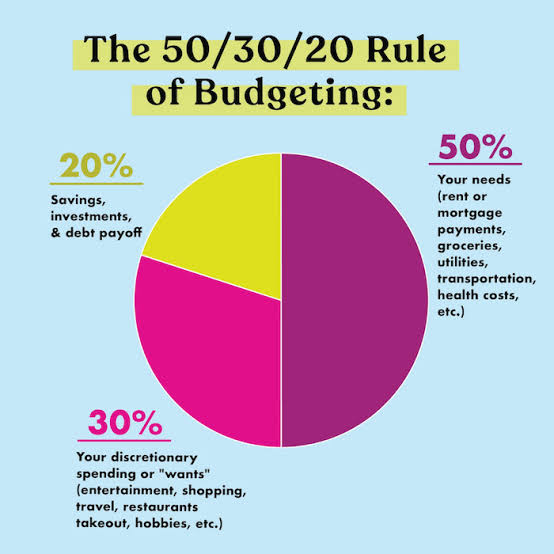
Budgeting advice often assumes a steady, predictable paycheck deposited into your bank account on the 1st and 15th of every month. But if you work as a freelancer, contractor, gig worker, small business owner, or commission-based sales professional, your income fluctuates month to month.
Managing unpredictable cash flow requires a different strategy than standard budgeting. When revenue swings wildly from high-earning months to lean months, standard budgeting rules can leave you short on bill payments.
Here is how to create a practical, stress-free budget tailored specifically for an irregular income.
Step 1: Identify Your “Baseline” Minimum Income
When your income fluctuates, never base your monthly budget on your highest-earning month or an average of your past earnings. Basing spending on an average leaves you vulnerable when a below-average month hits.
Instead, calculate your baseline minimum income. Look at your income logs over the past 12 months and find the lowest amount you earned in a single month. That conservative figure becomes the baseline budget starting point.
Step 2: Map Out Your Bare-Bones Baseline Expenses
Divide your monthly expenses into two groups: essential survival costs and lifestyle choices. Your first goal is to build a Bare-Bones Budget covered entirely by your baseline minimum income.
Bare-Bones Expenses Include:
- Housing (rent or mortgage)
- Basic utilities (light, heat, water, internet)
- Core groceries (food at home)
- Basic transportation (gas, public transit)
- Minimum debt payments
Any discretionary cost—such as dining out, streaming services, new clothes, or vacation savings—is removed from the baseline budget and funded only when extra income comes in.
Step 3: Establish a “Hill-and-Valley” Buffer Account
The core mechanical tool for irregular income management is a Buffer Account (sometimes called a income-smoothing account).
Instead of spending directly from client payments as they arrive, use a separate business or savings account as a holding reservoir.
How the Buffer Account Works:
- High-Earning Months (“Hills”): When you earn above your baseline minimum, transfer the surplus money directly into your Buffer Account.
- Lean Months (“Valleys”): When work slows down and earnings dip below your baseline needs, pull from the Buffer Account to cover the difference.
- The Paycheck Method: Pay yourself a consistent, fixed “salary” from your buffer account to your main checking account on a scheduled day each month.

Step 4: Create a Prioritized “Next Dollar” List
When you experience a high-earning month, how should you distribute the excess money?
To avoid impulse spending when a large check lands, create a Prioritized Spending List. This list ranks where every extra dollar goes after bare-bones survival needs are met:
- Top Priority: Fill your Buffer Account to reach 1–2 months of baseline expenses.
- Second Priority: Fund essential annual or quarterly expenses (e.g., estimated tax payments, insurance premiums).
- Third Priority: Fully fund your Emergency Savings (aim for 6 months of expenses due to income instability).
- Fourth Priority: Make extra principal payments on high-interest debt.
- Fifth Priority: Fund lifestyle wants, discretionary savings, and long-term investments.
3 Critical Financial Rules for Variable Earners
1. Separate Business and Personal Taxes Immediately
If you are self-employed or 1099, set aside 25% to 30% of every incoming check into a dedicated tax savings account before calculating your take-home pay. Never mix tax money with operating cash.
2. Maintain a Larger Emergency Reserve
While salaried workers often hold 3 to 6 months of living expenses in an emergency fund, variable-income workers face higher volatility. Aim for 6 to 9 months of essential expenses held in a High-Yield Savings Account.
3. Review Spending Weekly
Because income lands unpredictably, conduct a quick 10-minute money review every Friday. Track incoming receivables, check buffer balances, and adjust upcoming spending targets accordingly.
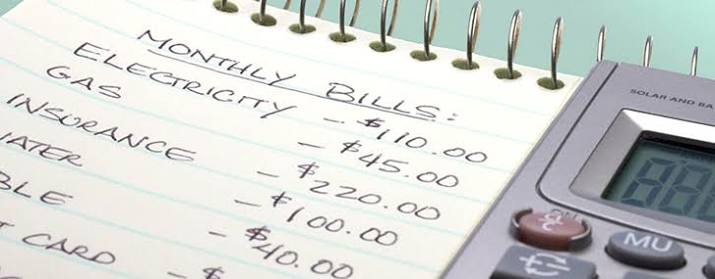
An unpredictable paycheck does not mean you cannot achieve financial stability. By budgeting off your lowest earning months, maintaining a buffer account to smooth out cash flow, and following a prioritized list for extra earnings, you can eliminate money stress even when your income varies.