
Is Atlantis a real, sunken city waiting to be found, or was it just a story that got out of hand? We have to start with the source: a guy named Plato.
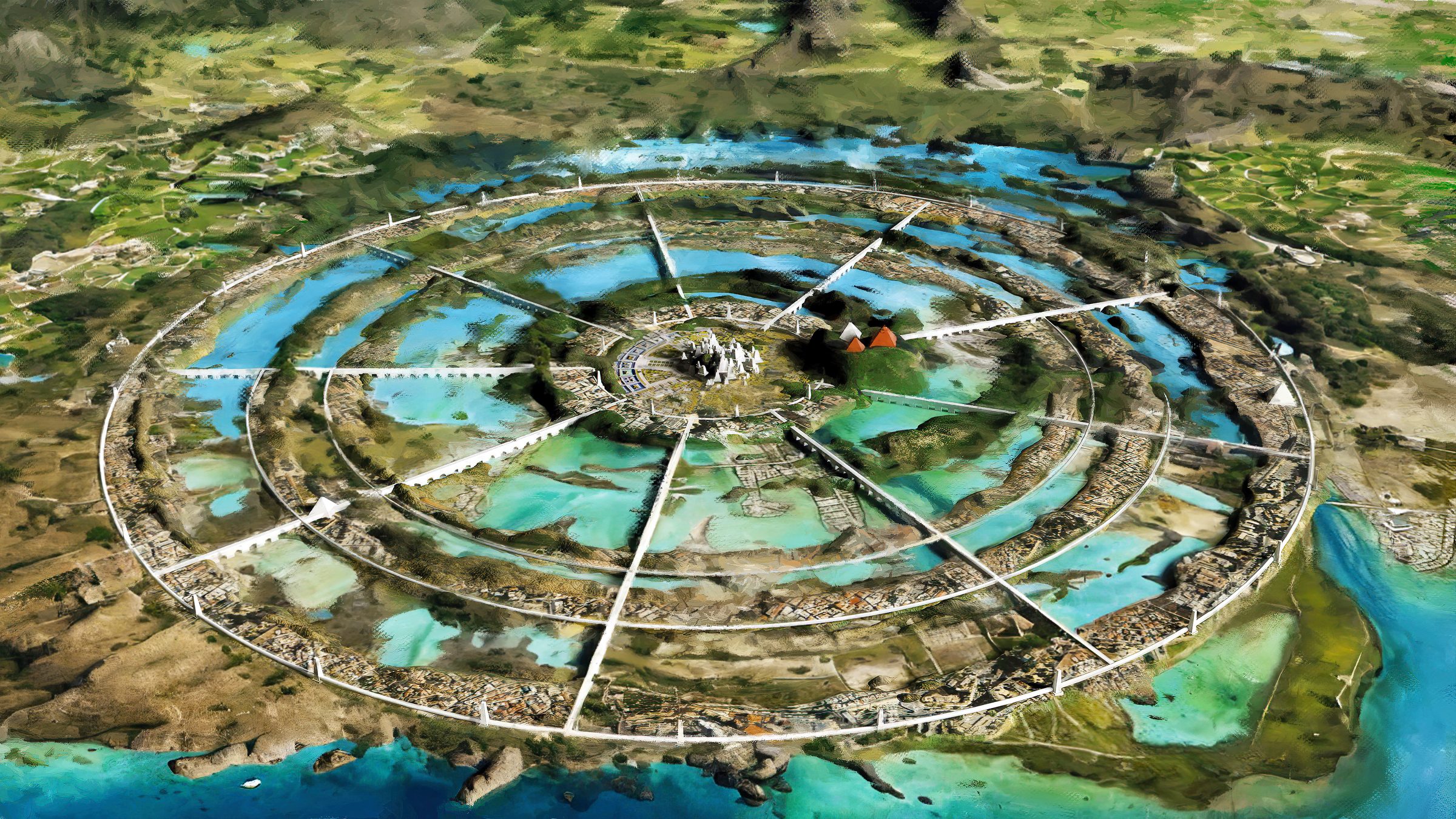
Around 360 BC, Plato wrote about a powerful island nation that existed 9,000 years before his time. He said Atlantis was a naval power that tried to conquer the world but failed. He said the gods punished them for their greed, sinking the entire island into the Atlantic Ocean “in a single day and night of misfortune.” For a long time, historians said Plato was making a point about morality, not history. He was using a fictional story to teach a lesson, like a modern sci-fi movie about a society destroyed by its own hubris.
But the story is too good to ignore. For centuries, explorers looked for it. Some people think it was a real civilization that suffered a catastrophe. The Minoans on the island of Santorini had a massive volcanic eruption around 1600 BC that destroyed their entire culture. A huge chunk of the island disappeared. It’s possible the story of that disaster was passed down and exaggerated by the time Plato heard it. Imagine a local flood happening 500 years ago—today, it might be told as a global flood.
So, is it real? If you mean a magical island with advanced tech that sank, no. If you mean a real Bronze Age civilization destroyed by a natural disaster whose memory evolved into a legend, then maybe. Today, we know the ocean floor pretty well. There’s no lost continent in the Atlantic. The reality is that Plato’s story is a powerful myth that teaches us about pride, power, and the fragility of civilization.