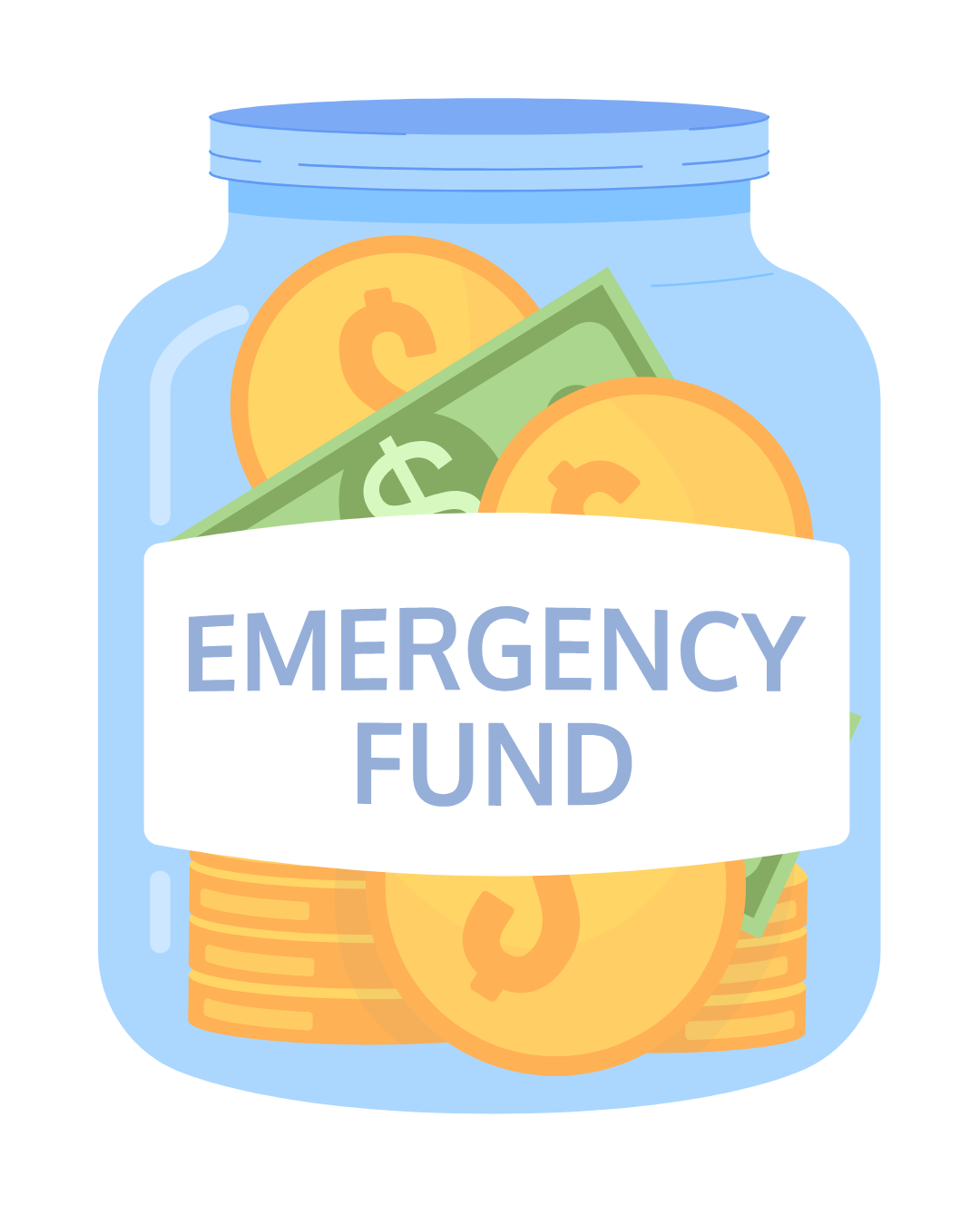
An emergency fund is one of the most important parts of financial stability. It acts as a safety net that protects you from unexpected expenses like medical bills, job loss, car repairs, or urgent family needs.
If you want financial peace of mind in 2026, learning how to build an emergency fund is a crucial first step toward financial independence.
What Is an Emergency Fund?
An emergency fund is money set aside specifically for unexpected expenses.
It is not for:
- Shopping
- Vacations
- Luxury purchases
- Non-essential spending
It is strictly for financial emergencies that you cannot plan for.
Why You Need an Emergency Fund
Having an emergency fund helps you:
- Avoid debt during emergencies
- Reduce financial stress
- Stay financially independent
- Handle unexpected life events smoothly
- Build long-term financial confidence
Without it, even small emergencies can lead to financial setbacks.
Step 1: Set a Clear Savings Goal
A good emergency fund should typically cover:
- 3 to 6 months of living expenses
Start by calculating:
- Rent or housing costs
- Food and groceries
- Transportation
- Utilities
- Basic personal expenses
This gives you a clear target to work toward.
Step 2: Start Small and Stay Consistent
You don’t need a large amount to begin.
Start with:
- ₦5,000–₦10,000 weekly savings
- Or any fixed percentage of your income
Consistency matters more than amount at the beginning.
Even small contributions grow over time.
Step 3: Open a Separate Savings Account
Keep your emergency fund separate from your regular spending account.
This helps you:
- Avoid unnecessary spending
- Track progress easily
- Stay disciplined
Many banks and apps offer dedicated savings accounts.
Step 4: Automate Your Savings
Automation makes saving easier and more consistent.
You can:
- Set automatic transfers after salary/payment
- Schedule weekly savings deductions
- Use mobile banking savings features
This removes the temptation to spend.
Step 5: Cut Unnecessary Expenses
To grow your emergency fund faster, reduce non-essential spending.
Examples:
- Dining out less frequently
- Cancel unused subscriptions
- Avoid impulse purchases
- Choose cheaper alternatives
Small savings add up quickly over time.
Step 6: Increase Your Income
If possible, boost your earnings to speed up savings.
You can:
- Take freelance work
- Start a side hustle
- Sell unused items
- Offer digital services
More income = faster emergency fund growth.
Step 7: Keep Your Fund Accessible but Safe
Your emergency fund should be:
- Easy to access in emergencies
- Not too easy to spend impulsively
Best options include:
- Savings accounts
- High-yield savings accounts
- Money market accounts
Avoid locking all funds in long-term investments.
Step 8: Replenish After Using It
If you ever use your emergency fund, rebuild it immediately.
Treat it like a priority again by:
- Adjusting your budget
- Increasing savings temporarily
- Cutting extra expenses
This keeps your financial safety net strong.
Step 9: Avoid Using It for Non-Emergencies
Discipline is key.
Only use your emergency fund for:
- Medical emergencies
- Job loss
- Urgent repairs
- Critical family needs
Avoid turning it into a general spending account.
Step 10: Track Your Progress
Monitoring your savings keeps you motivated.
You can track:
- Monthly savings growth
- Total fund balance
- Progress toward your goal
Helpful Finance Tools
Final Thoughts
Learning how to build an emergency fund is one of the smartest financial decisions you can make. It provides stability, reduces stress, and protects you from unexpected financial shocks.
Start small, stay consistent, and prioritize saving—even in small amounts. Over time, your emergency fund becomes a powerful financial safety net.