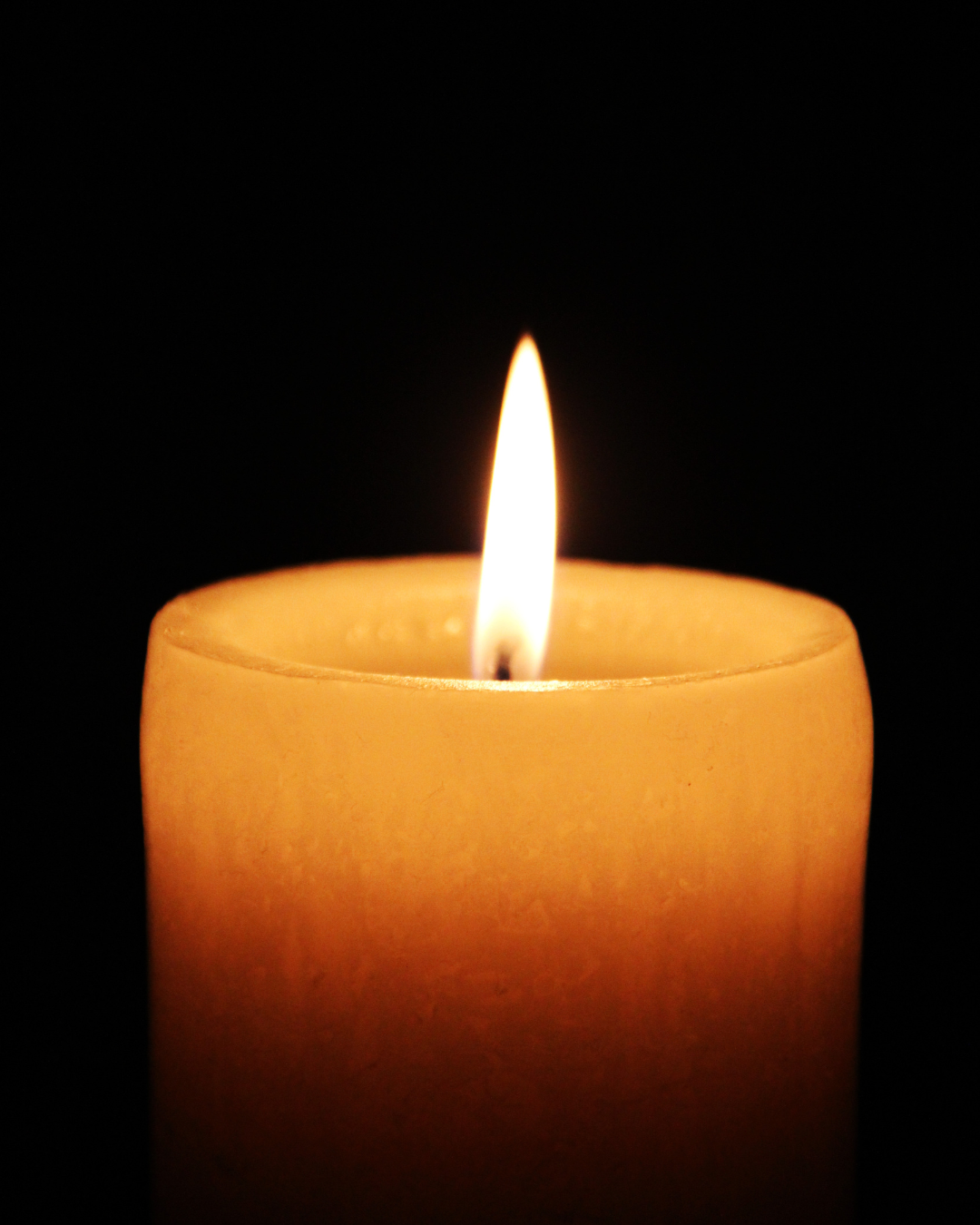
Candles are more than just sources of light. They create warmth, enhance home décor, provide relaxation, and make wonderful gifts. The good news is that learning how to make candles at home is easier than most people think.
Whether you’re looking for a fun hobby, personalized gifts, or the foundation of a small business, homemade candle making can be both enjoyable and rewarding.
In this guide, you’ll learn everything you need to know about making beautiful candles from scratch.
Why Make Candles at Home?
Homemade candles offer several advantages:
- Cost-effective compared to premium store-bought candles
- Customizable scents and colors
- Great handmade gifts
- Creative and relaxing hobby
- Potential side business opportunity
- Control over ingredients used
Many people discover that making candles becomes a satisfying and profitable skill.
Materials You’ll Need
Before you begin, gather the following supplies:
Wax
Common options include:
- Soy wax
- Beeswax
- Paraffin wax
- Coconut wax
- Palm wax
For beginners, soy wax is often recommended because it is easy to work with and burns cleanly.
Candle Wicks
Choose wicks based on:
- Candle size
- Wax type
- Container diameter
Using the correct wick helps ensure an even burn.
Containers
Popular choices include:
- Glass jars
- Ceramic containers
- Metal tins
- Decorative candle holders
Always use heat-resistant containers.
Fragrance Oils (Optional)
Fragrance oils add pleasant scents to candles.
Popular scents include:
- Vanilla
- Lavender
- Citrus
- Sandalwood
- Rose
- Coconut
Candle Dye (Optional)
Dyes can be added for colorful candles.
Double Boiler
A double boiler helps melt wax safely without direct heat.
Thermometer
Monitoring wax temperature helps achieve better results.
Stirring Utensil
A wooden or metal spoon works well.
Step 1: Prepare Your Workspace
Choose a clean, flat workspace.
Protect surfaces using:
- Newspaper
- Cardboard
- Silicone mats
Keep children and pets away from hot wax.
Step 2: Attach the Wick
Secure the wick to the center of the container.
You can use:
- Wick stickers
- Glue dots
- A small amount of melted wax
Press firmly to keep the wick in place.
Step 3: Melt the Wax
Fill the bottom pot of your double boiler with water.
Place wax in the top container and heat gradually.
Avoid direct heat because wax can overheat.
General Temperature Range
Most waxes melt between:
120°F–185°F (49°C–85°C)
Follow the manufacturer’s instructions for your specific wax.
Step 4: Add Color (Optional)
Once the wax is fully melted, add candle dye if desired.
Stir thoroughly until the color is evenly distributed.
Remember that the final candle may appear lighter once cooled.
Step 5: Add Fragrance Oil
Remove the wax from heat and allow it to cool slightly.
Add fragrance oil according to recommended usage rates.
Typical Fragrance Load
Most candle makers use:
6%–10% fragrance oil by weight.
Stir gently for about two minutes to distribute the scent evenly.
Step 6: Secure the Wick Upright
Place a wick holder, pencil, or chopstick across the top of the container.
This keeps the wick centered while pouring and cooling.
Step 7: Pour the Wax
Slowly pour the melted wax into the container.
Leave a small space at the top.
Pouring too quickly can create air bubbles.
Take your time for a smoother finish.
Step 8: Allow the Candle to Cool
Let the candle cool naturally at room temperature.
Avoid moving it during this process.
Cooling times vary depending on candle size and wax type.
Most candles require several hours to fully harden.
Step 9: Trim the Wick
Once the candle is completely set, trim the wick.
Ideal Wick Length
Approximately:
¼ inch (6 mm)
Proper wick length helps create a clean, steady flame.
Step 10: Cure the Candle
Many candle makers allow candles to cure before use.
Recommended Cure Times
- Soy wax: 1–2 weeks
- Beeswax: Several days
- Paraffin wax: A few days
Curing allows fragrance oils to bind properly with the wax.
This often results in a stronger scent throw.
Popular Homemade Candle Ideas
Lavender Relaxation Candle
Perfect for bedrooms and relaxation spaces.
Vanilla Comfort Candle
Creates a warm and inviting atmosphere.
Citrus Energy Candle
Great for kitchens and workspaces.
Coffee Scented Candle
Popular among coffee lovers.
Seasonal Candles
Create special blends for:
- Christmas
- Easter
- Valentine’s Day
- Autumn
- Birthdays
Common Candle-Making Mistakes
Using the Wrong Wick
Incorrect wick sizes can cause tunneling or excessive soot.
Overheating Wax
Excessive heat can affect fragrance performance.
Adding Fragrance Too Early
Very high temperatures may reduce scent strength.
Moving Candles While Cooling
This can create uneven surfaces and cracks.
Safety Tips for Candle Making
Always prioritize safety.
Important Guidelines
- Never leave melting wax unattended.
- Use heat-resistant containers.
- Keep flammable materials away.
- Monitor wax temperature carefully.
- Wear protective gloves when needed.
- Work in a well-ventilated area.
Proper safety practices make candle making enjoyable and safe.
Can You Start a Candle Business?
Yes. Many successful small businesses began with homemade candles.
Potential opportunities include:
- Online stores
- Local craft markets
- Gift shops
- Event favors
- Corporate gifts
Focus on quality, branding, and unique scents to stand out in the market.
Frequently Asked Questions
What is the best wax for beginners?
Soy wax is often recommended because it is easy to use and environmentally friendly.
How much does it cost to make candles at home?
Costs vary depending on materials, but homemade candles are often cheaper than premium retail candles.
Can I use essential oils instead of fragrance oils?
Some essential oils can be used, but fragrance oils generally provide stronger and more consistent scents.
How long do homemade candles last?
When stored properly, most homemade candles remain usable for one to two years or longer.
Final Thoughts
Learning how to make candles at home is a rewarding skill that combines creativity with practicality. With a few basic supplies and a little patience, you can create beautiful candles customized to your preferred scents, colors, and styles.
Whether you’re crafting for personal enjoyment, gifting loved ones, or starting a business, candle making offers endless possibilities and a satisfying creative outlet.
Link to authoritative resources:
- National Candle Association
- Craft Industry Alliance
- Small Business Administration
- Better Homes & Gardens Crafts