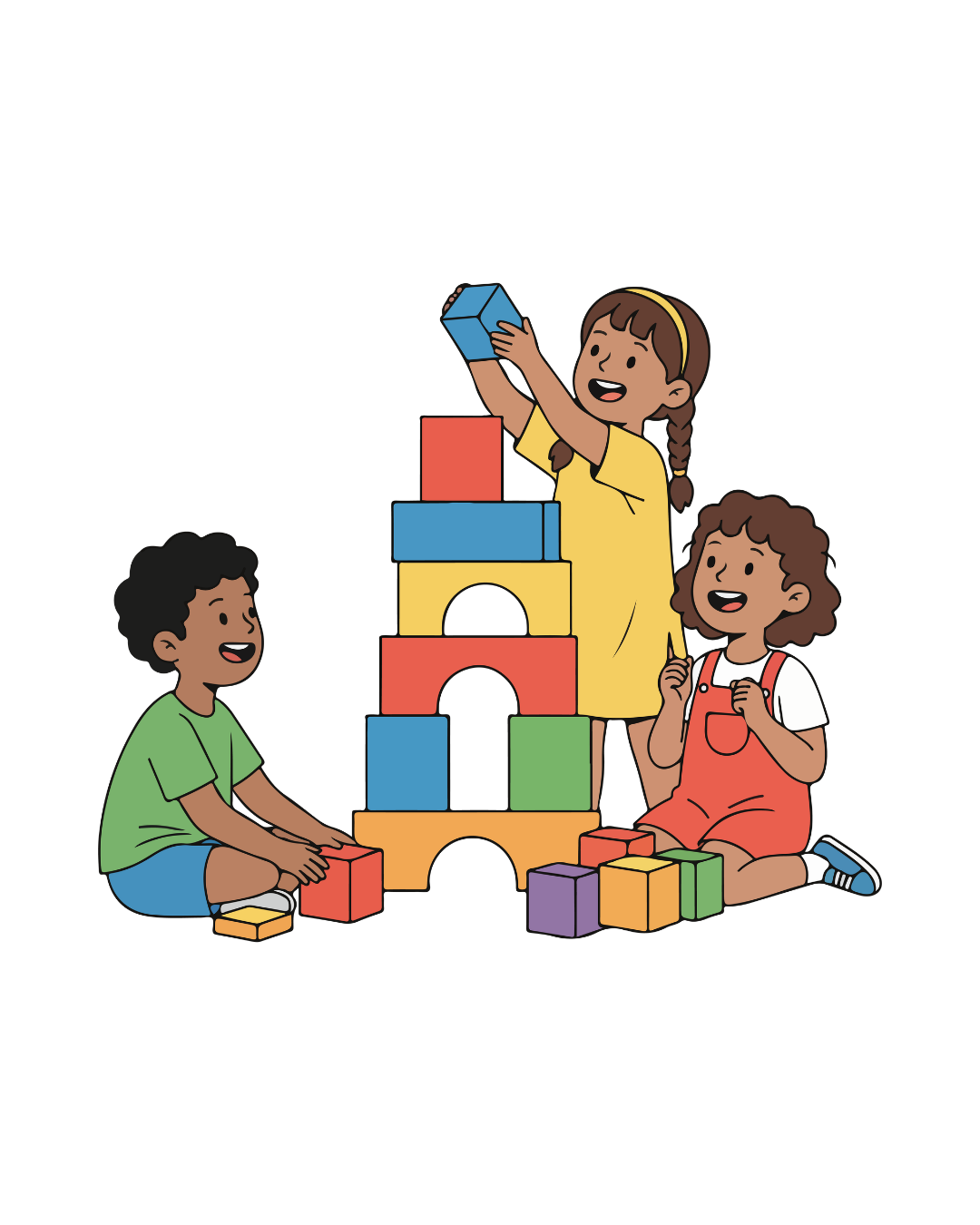
Children learn best when education feels engaging and enjoyable. Educational activities help kids build creativity, problem-solving skills, communication abilities, and confidence while having fun.
Whether at home or in school, the best educational activities for kids encourage curiosity and support healthy mental and emotional development.
Here are some of the most effective and enjoyable learning activities for children in 2026.
1. Reading Together
Reading is one of the most powerful educational activities for children.
Benefits include:
- Improved vocabulary
- Better communication skills
- Stronger imagination
- Enhanced concentration
You can:
- Read storybooks together
- Ask questions about the story
- Encourage kids to describe characters and events
Helpful Reading Resource
2. Educational Puzzles and Brain Games
Puzzles help children develop:
- Problem-solving skills
- Patience
- Logical thinking
- Memory
Popular options include:
- Jigsaw puzzles
- Word games
- Matching games
- Number puzzles
These activities make learning interactive and fun.
3. Arts and Crafts
Creative activities support imagination and self-expression.
Examples include:
- Drawing
- Painting
- Paper crafts
- DIY projects
Arts and crafts improve:
- Fine motor skills
- Creativity
- Focus
- Confidence
4. Science Experiments at Home
Simple science activities can make learning exciting.
Examples:
- Volcano experiments
- Growing plants
- Water and density experiments
- Magnet activities
Science experiments encourage curiosity and critical thinking.
Educational Science Platform
5. Educational Board Games
Board games teach valuable life and academic skills.
Benefits include:
- Strategic thinking
- Teamwork
- Communication
- Math and language development
Examples:
- Scrabble
- Chess
- Monopoly
- Memory games
6. Outdoor Learning Activities
Outdoor activities help children learn while staying physically active.
Ideas include:
- Nature walks
- Gardening
- Scavenger hunts
- Sports activities
Outdoor learning improves physical health and observation skills.
7. Learning Through Music
Music supports brain development and creativity.
Activities include:
- Singing songs
- Learning instruments
- Rhythm games
- Educational music videos
Music improves memory, coordination, and listening skills.
8. Educational Apps and Online Platforms
Technology can support learning when used responsibly.
Popular educational platforms include:
These platforms offer interactive lessons in:
- Reading
- Math
- Languages
- Creativity
9. Cooking Together
Cooking teaches practical and educational skills.
Children can learn:
- Measurement and math
- Following instructions
- Creativity
- Healthy eating habits
Simple recipes can become fun family learning experiences.
10. Storytelling and Role Play
Pretend play improves:
- Communication skills
- Creativity
- Emotional understanding
- Confidence
Activities include:
- Acting out stories
- Puppet shows
- Creating imaginary characters
- Role-playing careers or adventures
11. Building Activities
Construction-based activities encourage creativity and problem-solving.
Examples:
- Building blocks
- LEGO projects
- DIY structures
- Engineering toys
These activities help children think critically and creatively.
12. Language and Vocabulary Games
Word-based activities strengthen communication and literacy skills.
Ideas include:
- Spelling games
- Word searches
- Flashcards
- Vocabulary challenges
These activities improve reading and speaking abilities.
Benefits of Educational Activities for Kids
Educational activities help children:
- Build confidence
- Improve focus
- Strengthen creativity
- Develop social skills
- Learn problem-solving
- Enjoy learning naturally
Fun learning experiences create stronger long-term development.
Final Thoughts
The best educational activities for kids combine learning with creativity, curiosity, and enjoyment. Children learn more effectively when they are actively engaged and emotionally connected to the experience.
By encouraging educational play, reading, creativity, and exploration, parents and caregivers can help children develop important skills that support lifelong success.