
How to Save Money Fast on a Low Income (Even If You’re Living Paycheck to Paycheck)
Saving money when you’re on a low income can feel impossible. Between rent, transportation, groceries, bills, family responsibilities, and unexpected expenses, it may seem like there’s nothing left to save at the end of the month. But the truth is this: saving money is less about how much you earn and more about how consistently you manage what you already have. Even small amounts saved regularly can create financial stability, reduce stress, and help you prepare for emergencies or future goals. Whether you want to build an emergency fund, pay off debt, buy a car, start a business, or simply...

Best AI Tools for Students in 2026: Study Smarter, Learn Faster, and Save Time
Artificial Intelligence is changing the way students learn, study, write, research, and manage their daily academic life. What once took hours can now be done in minutes with the help of AI tools. From writing essays and summarizing notes to solving math problems and creating presentations, AI has become one of the most powerful assistants for students around the world. The best part is that many of these tools are either free or affordable for students. Whether you are in secondary school, university, or learning online, using the right AI tools can help you become more productive, organized, and efficient....

Top 10 Side Hustles for Students in 2026
Being a student today is different from what it used to be years ago. The world is changing fast. School is important, but many students are now looking for ways to earn money, build experience, and learn valuable skills before graduation. The good news is that you no longer need a full-time office job to start making money. With just a smartphone, laptop, internet connection, and consistency, students can build side hustles that grow into real careers or businesses. A side hustle is not only about money. It can also help you: The best part is that many of these...
How to Overcome Heartbreak: 7 Real Steps That Actually Help
First, Let’s Be Honest About the Pain Heartbreak is brutal. Not just emotionally. Physically too. Your chest might ache. You might lose sleep. Food loses its taste. None of that means you’re weak. In fact, brain scans show that heartbreak activates the same areas as physical pain. Your brain truly believes you’ve been hurt. So before we talk about solutions, let’s agree on one thing. What you’re feeling is real. And it’s okay to not be okay right now. Give Yourself Permission to Grieve Here’s a mistake many people make. They try to skip the sadness. They jump straight into...

How Black Holes Work: The Universe’s Most Extreme Secret Explained
Let’s be honest, black holes sound like something straight out of science fiction. They don’t emit light, they warp time itself, and they have a nasty habit of swallowing everything that gets too close. But here’s the thing: black holes are real, and they’re not magical vacuum cleaners in space. They’re actually the natural endpoint for some of the most massive stars in the universe. So, how black holes work comes down to gravity, gravity so intense that not even light can escape its grip. Imagine taking our Sun and crushing it into a sphere just a few miles wide....
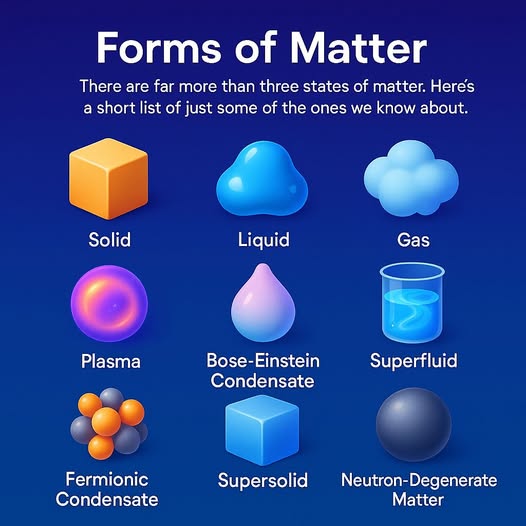
Every State of Matter Explained (Beyond solid, liquid, gas)
We all know solids, liquids, and gases. That’s the easy stuff. But the universe gets weirder when you add extreme heat or extreme cold. States of Matter Beyond Solids, Liquids, and Gases When most people learn about the states of matter, they usually hear about solids, liquids, and gases. But science has discovered several other fascinating states that exist under extreme conditions. These exotic states of matter help scientists understand everything from stars in space to quantum physics in laboratories. Plasma — The State of Stars One of the most fascinating states of matter is plasma. Plasma forms when a...
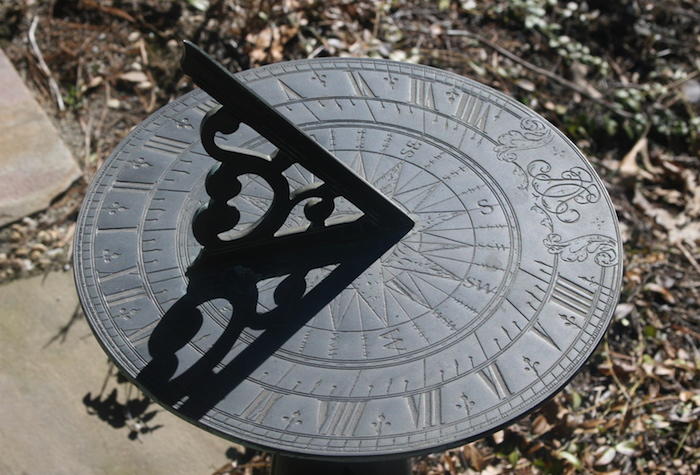
How Did Ancient Civilizations Tell Time? (Sundials, water clocks, and obelisks)
Before smartphones, people got creative with telling time. They looked up at the sky, down at water, and used some seriously clever engineering. The first “clocks” were just sticks in the ground. The Egyptians turned this into an art form with obelisks. These tall, pointed stones cast a shadow. As the sun moved, the shadow moved across the ground. It was a massive, public sundial. They divided the day into two 12-hour periods based on this. It was great… until the sun went down. When the sun set, they needed something else. Enter the water clock, or clepsydra. Imagine a...
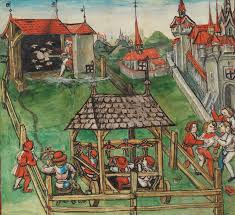
What Did People Do For Fun in the Middle Ages? (Games, sports, and festivals)
Life in the Middle Ages wasn’t just about plagues and hard labor. People partied hard because they had to. Fun was a necessity, not a luxury. For the average peasant, Sunday was a holy day, which meant no work. After church, it was game time. They played a brutal, no-rules version of soccer called “mob football.” It was an entire village versus the next village, with a pig’s bladder as a ball. There were no field boundaries; the “goal” might be the church door two miles away. It was chaotic, violent, and the one time a serf could legally kick...
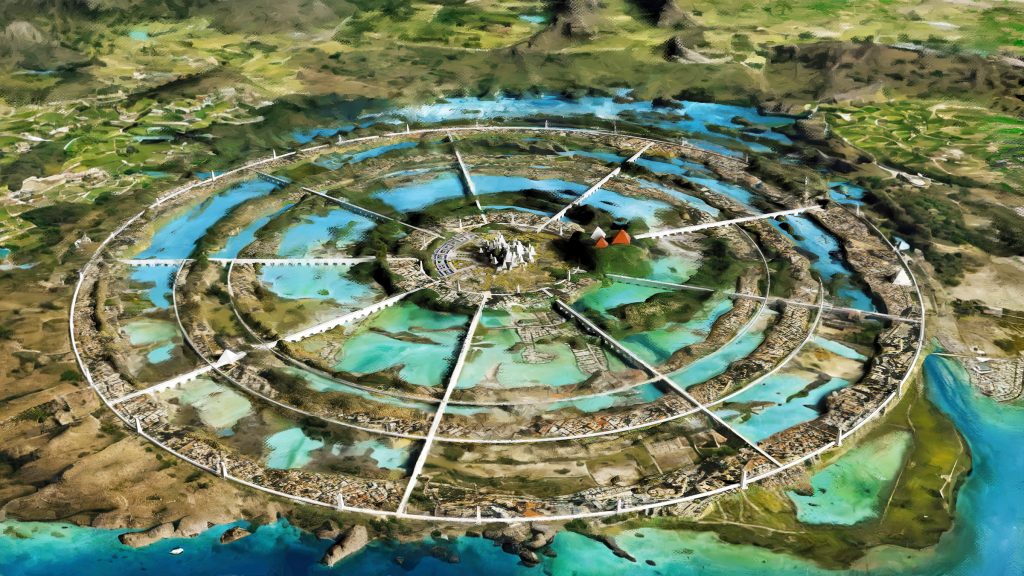
The Lost City of Atlantis: Myth or Reality?
Is Atlantis a real, sunken city waiting to be found, or was it just a story that got out of hand? We have to start with the source: a guy named Plato. Around 360 BC, Plato wrote about a powerful island nation that existed 9,000 years before his time. He said Atlantis was a naval power that tried to conquer the world but failed. He said the gods punished them for their greed, sinking the entire island into the Atlantic Ocean “in a single day and night of misfortune.” For a long time, historians said Plato was making a point...
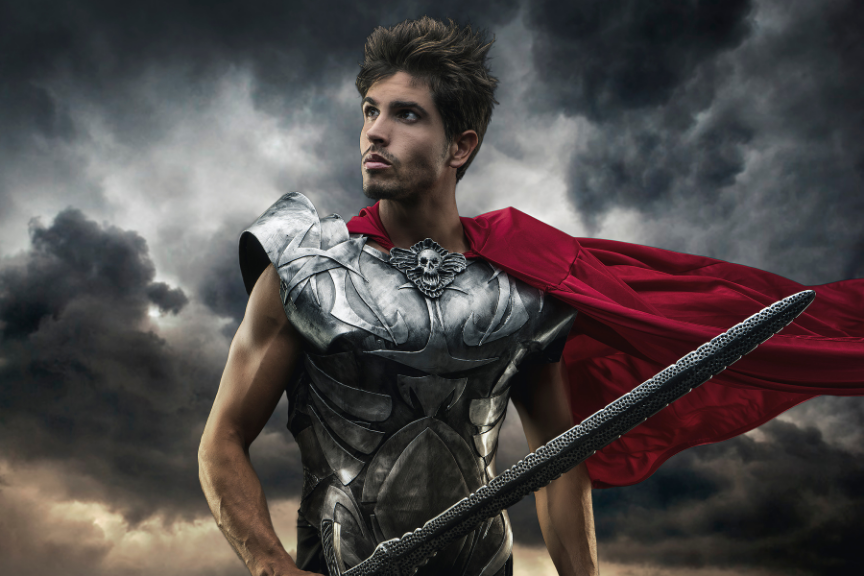
A Day in the Life of a Roman Soldier (Beyond the Battlefield)
When we think of a Roman soldier, we picture a guy in armor fighting with a sword. But for a legionary, fighting was the easy part. The hard part was the morning. A Roman soldier’s day started before dawn. After a quick breakfast of hard bread and watered-down wine, he would put on 45 pounds of armor and gear. Then, he would join his unit for a full-speed march. Not a leisurely walk—a fast, 20-mile march in full kit. They called it “the military step.” If you dropped your pack, you were punished. It was like being forced to run...