
Before smartphones, people got creative with telling time. They looked up at the sky, down at water, and used some seriously clever engineering.
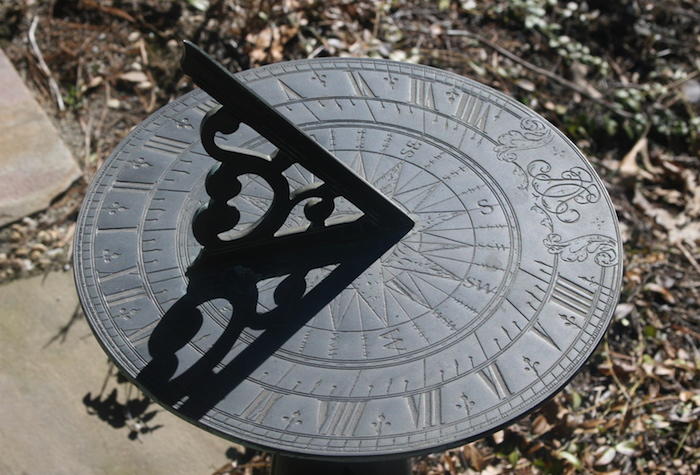
The first “clocks” were just sticks in the ground. The Egyptians turned this into an art form with obelisks. These tall, pointed stones cast a shadow. As the sun moved, the shadow moved across the ground. It was a massive, public sundial. They divided the day into two 12-hour periods based on this. It was great… until the sun went down.
When the sun set, they needed something else. Enter the water clock, or clepsydra. Imagine a large bowl with a tiny hole in the bottom. You fill it with water, and the water drips out at a steady rate. Markings on the inside of the bowl told you the hour as the water level dropped. In a courtroom, lawyers would use a water clock to time their speeches. If your water ran out, you had to sit down. It was the first “you have the floor for 5 minutes.”
Other cultures had different methods. The Chinese invented a complex water clock that powered a rotating armillary sphere. Ancient Persians invented a “bazaar clock” called a fenjaan—a bowl floating in a bucket of water with a small hole. When the bowl filled and sank, the clock “struck” and the market opened. For months and years, they used the moon for calendars and the stars to mark seasons. Telling time was a full-time job that required observation, math, and a bit of artistry.