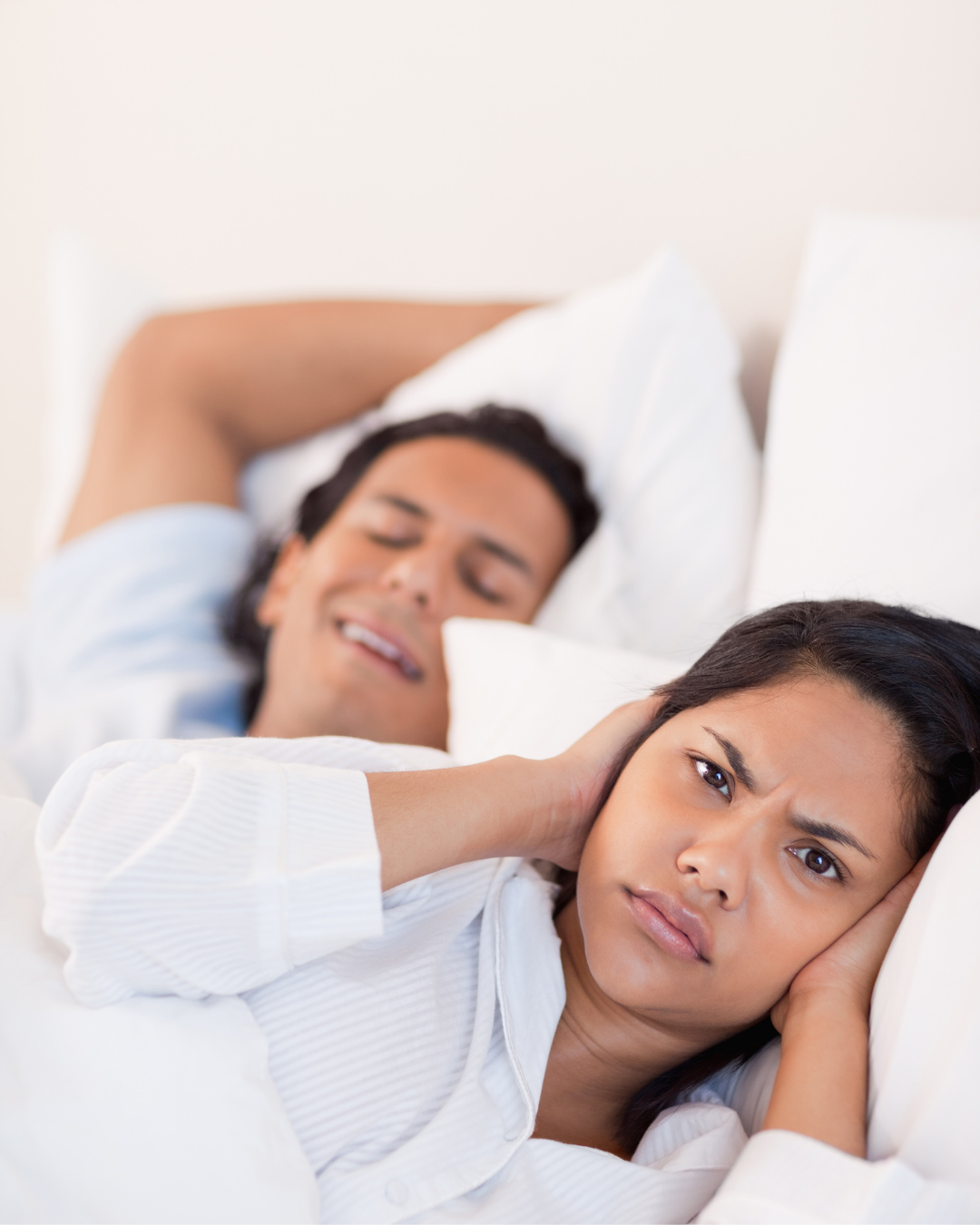
How to Stop Snoring Naturally: 15 Proven Ways to Sleep Quietly
Snoring is a common problem that affects millions of people worldwide. While occasional snoring may seem harmless, frequent snoring can disrupt sleep, affect relationships, and sometimes signal an underlying health issue.
If you’re wondering how to stop snoring naturally, the good news is that many effective solutions can significantly reduce or eliminate snoring without medication or surgery.
In this guide, you’ll discover the causes of snoring and practical ways to achieve quieter, healthier sleep.
What Causes Snoring?
Snoring occurs when airflow is partially blocked as air moves through your mouth and nose during sleep. This causes the surrounding tissues to vibrate, creating the familiar snoring sound.
Common causes include:
- Sleeping on your back
- Excess body weight
- Nasal congestion
- Enlarged tonsils or adenoids
- Alcohol consumption before bed
- Smoking
- Poor sleep habits
- Sleep apnea
Understanding the cause is the first step toward finding the right solution.
1. Sleep on Your Side
One of the simplest ways to stop snoring is changing your sleeping position.
When you sleep on your back, your tongue and soft palate can collapse toward the back of your throat, narrowing your airway.
Sleeping on your side helps keep the airway open and often reduces snoring immediately.
Tip:
Use a body pillow to maintain a side-sleeping position throughout the night.
2. Maintain a Healthy Weight
Excess fat around the neck can put pressure on the airway, increasing the likelihood of snoring.
Even losing a small amount of weight may help reduce airway obstruction and improve breathing during sleep.
Benefits:
- Reduced snoring
- Better sleep quality
- Lower risk of sleep apnea
3. Avoid Alcohol Before Bedtime
Alcohol relaxes the muscles in your throat, making airway blockage more likely.
Try avoiding alcohol for at least 3–4 hours before going to sleep.
Many people notice a significant reduction in snoring after making this simple change.
4. Establish a Consistent Sleep Schedule
Sleep deprivation can worsen snoring.
When you’re overly tired, throat muscles become more relaxed during sleep, increasing airway vibration.
Good Sleep Habits:
- Go to bed at the same time daily
- Aim for 7–9 hours of sleep
- Reduce screen time before bed
5. Clear Nasal Congestion
Blocked nasal passages force you to breathe through your mouth, which often increases snoring.
Ways to improve nasal airflow include:
- Warm showers before bed
- Saline nasal sprays
- Steam inhalation
- Using a humidifier
6. Stay Hydrated
Dehydration can make mucus in your nose and throat thicker and stickier.
This increases airway resistance and may worsen snoring.
Daily Goal:
Drink enough water throughout the day to keep your body properly hydrated.
7. Elevate Your Head
Raising your head slightly while sleeping can improve airflow.
Try:
- An adjustable bed
- Extra pillows
- A specially designed anti-snoring pillow
This position helps prevent airway collapse.
8. Quit Smoking
Smoking irritates and inflames the airways, increasing the likelihood of snoring.
Benefits of quitting include:
- Reduced throat inflammation
- Improved breathing
- Better sleep quality
- Improved overall health
9. Exercise Regularly
Regular physical activity strengthens muscles throughout the body, including those involved in breathing.
Exercise can also help with weight management, which may further reduce snoring.
Aim for at least 150 minutes of moderate exercise weekly.
10. Practice Tongue and Throat Exercises
Strengthening throat muscles may reduce snoring over time.
Examples include:
Tongue Slide
Place the tip of your tongue against the roof of your mouth and slide it backward.
Vowel Repetition
Repeat:
“A-E-I-O-U”
For several minutes daily.
These exercises may improve airway stability during sleep.
11. Use a Humidifier
Dry air can irritate nasal passages and throat tissues.
A humidifier adds moisture to the air, making breathing easier and reducing airway irritation.
This can be particularly helpful during dry seasons.
12. Treat Allergies
Allergies can contribute to nasal congestion and breathing difficulties.
Managing allergies through proper treatment may reduce snoring significantly.
Common triggers include:
- Dust mites
- Pet dander
- Pollen
- Mold
13. Reduce Heavy Evening Meals
Large meals close to bedtime may worsen snoring for some individuals.
Try eating dinner at least 2–3 hours before sleeping.
This allows digestion to occur before you lie down.
14. Consider Anti-Snoring Devices
Several devices may help keep airways open.
Examples include:
- Nasal strips
- Nasal dilators
- Mandibular advancement devices
Consult a healthcare professional before choosing a device.
15. Get Evaluated for Sleep Apnea
Persistent loud snoring may be a sign of sleep apnea, a condition where breathing repeatedly stops and starts during sleep.
Warning signs include:
- Gasping during sleep
- Morning headaches
- Daytime fatigue
- Difficulty concentrating
If these symptoms are present, seek medical evaluation.
When Should You See a Doctor?
Contact a healthcare provider if:
- Snoring is extremely loud
- You experience breathing pauses
- You wake up choking or gasping
- You feel excessively tired during the day
- Home remedies aren’t helping
Professional assessment can identify underlying causes and appropriate treatments.
Frequently Asked Questions
Can snoring go away naturally?
Yes. Many cases improve through lifestyle changes such as weight loss, side sleeping, and reducing alcohol consumption.
What is the fastest way to stop snoring?
Sleeping on your side, clearing nasal congestion, and avoiding alcohol before bed often provide quick improvement.
Does drinking water help reduce snoring?
Yes. Proper hydration can reduce mucus buildup and improve airflow.
Is snoring always a sign of sleep apnea?
No. However, chronic loud snoring combined with breathing interruptions may indicate sleep apnea.
Final Thoughts
Learning how to stop snoring often begins with identifying the underlying cause. Simple changes such as sleeping on your side, maintaining a healthy weight, improving sleep habits, and addressing nasal congestion can make a significant difference.
If snoring persists despite lifestyle changes, consulting a healthcare professional can help determine whether an underlying condition such as sleep apnea is involved.
A quieter night’s sleep can improve your health, energy levels, and overall quality of life.